The fascinating journey of gambling tracing its historical evolution
The Origins of Gambling
The history of gambling can be traced back thousands of years to ancient civilizations. Archaeological evidence suggests that games of chance were present in cultures like the Chinese, Egyptians, and Greeks. From rudimentary dice made from animal bones to betting on the outcomes of athletic competitions, these early forms of gambling laid the foundation for more structured games. In today’s context, platforms like Casea in Canada highlight the evolution of this pastime, showcasing how it has transitioned into the digital age.

In ancient Rome, gambling became a popular pastime, often linked to social gatherings and festivals. The Romans developed various games, including betting on gladiatorial contests, which further established gambling as an integral part of society. This historical context shows how gambling evolved alongside human culture, reflecting the social dynamics and leisure activities of the time.
The Middle Ages to the Renaissance
During the Middle Ages, gambling faced scrutiny from religious authorities, often being associated with sin and vice. However, the demand for entertainment persisted, leading to the emergence of card games and other forms of gaming. With the invention of printing in the Renaissance, playing cards gained popularity in Europe, allowing for greater accessibility and variety in gambling.
As society shifted towards a more secular view, gambling began to flourish again. The establishment of public lotteries in the 16th and 17th centuries provided a new avenue for wagering, often used to fund public projects. This evolution marked a significant turning point, as gambling began to be seen not only as a vice but also as a means of raising money for the greater good.
The Birth of Modern Gambling
The 18th and 19th centuries witnessed the formalization of gambling as we know it today. The first casinos opened their doors in places like Venice and Monte Carlo, providing structured environments for gaming. The introduction of games like roulette and baccarat created an upscale atmosphere that appealed to the wealthy, reinforcing gambling’s association with luxury and sophistication.
This period also saw the rise of sports betting and horse racing, which became immensely popular. The establishment of rules and regulations began to govern these activities, reflecting the societal shift towards viewing gambling as an organized and legitimate industry. This paved the way for modern gambling practices that continue to thrive today.
The Digital Revolution and Online Gambling
The advent of the internet in the late 20th century transformed the gambling landscape dramatically. Online casinos emerged, allowing players to engage in games from the comfort of their homes. The convenience and accessibility of online gambling attracted millions, leading to a significant increase in revenue for the gaming industry.
Online platforms now offer a vast array of games, from traditional casino offerings to innovative new formats. Moreover, advances in technology have introduced features like live dealer games, enhancing the player experience and bridging the gap between online and offline gambling. This shift has not only changed how people gamble but has also raised discussions about regulation, security, and the future of the industry.
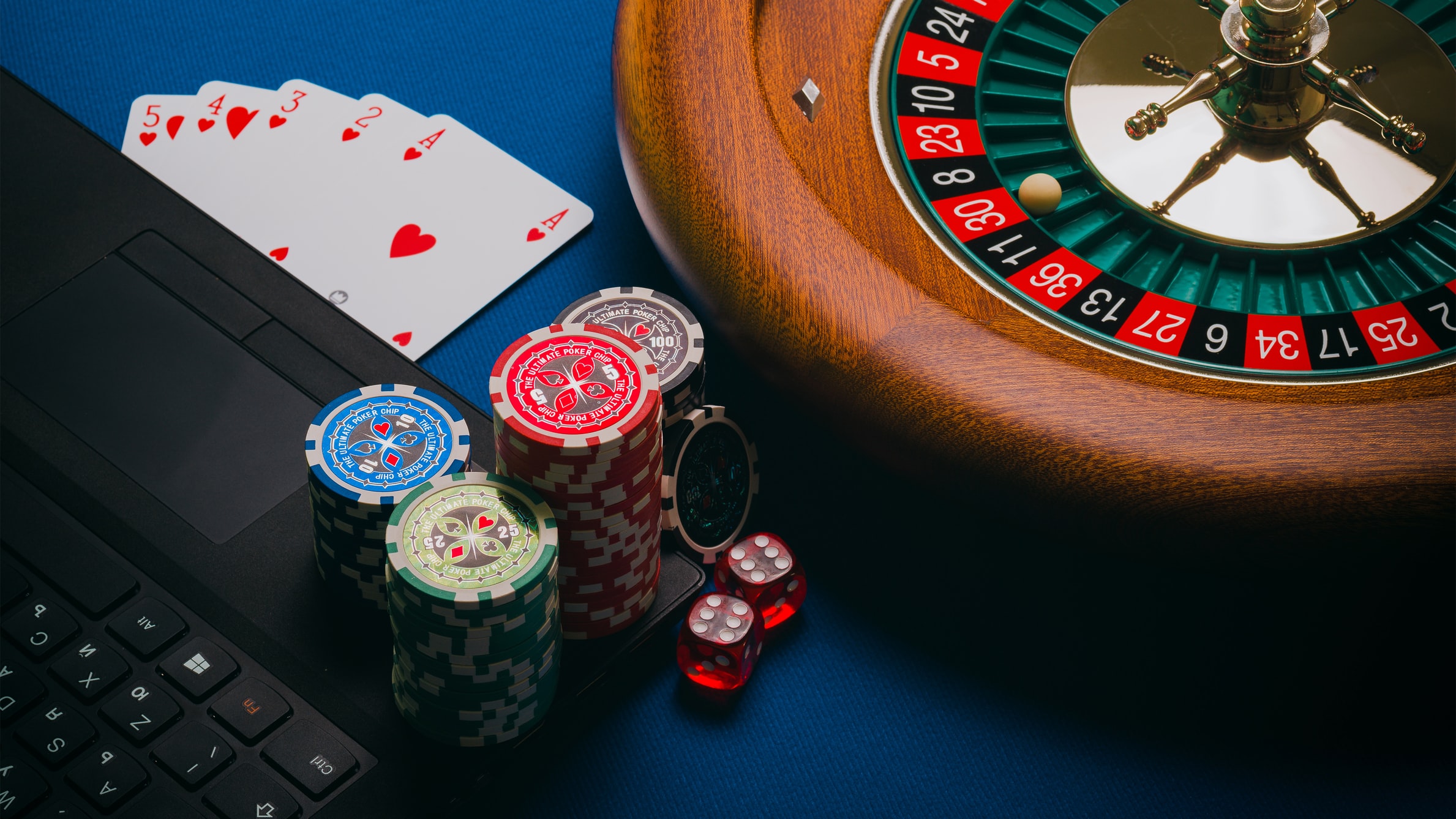
The Present and Future of Gambling at Casea Casino
Today, gambling exists in diverse forms, with platforms like Casea Casino leading the charge in the online gaming market. Designed for Canadian players, this dynamic platform features over 200 games, including popular slots from renowned developers. With a focus on user security and seamless access across devices, Casea Casino exemplifies the modern gambling experience.
As online gambling continues to grow, promotions and bonuses such as generous welcome offers enhance the appeal for new players. The ongoing evolution of gambling reflects society’s changing attitudes toward entertainment and risk, ensuring that this captivating activity will remain a staple in leisure culture for years to come.